BagNews Archives About Staff BagNews is a progressive site dedicated to visual politics and the analysis of news images.
Thursday, September 02, 2010

Twitter

@bagnewsnotes »
Advertisement


November 7, 2009

Look of Oppressed: About the Same, Except a Lot Less Blurrier
6_1-B28a.jpg
tumb7_188153000059%20copy.jpg

by BAGnews contributor Stan Banos

Photographers such as Ed Burtynsky have been dashing about in record numbers chronicling and documenting the incredible industrial and manufacturing transformation that is the current day wonder called China. And while some such as Lu Guang have concentrated magnificently on the horrendously destructive environmental effects, few if any have looked beyond the mainland to notice the impact this emerging powerhouse has had on other developing nations.

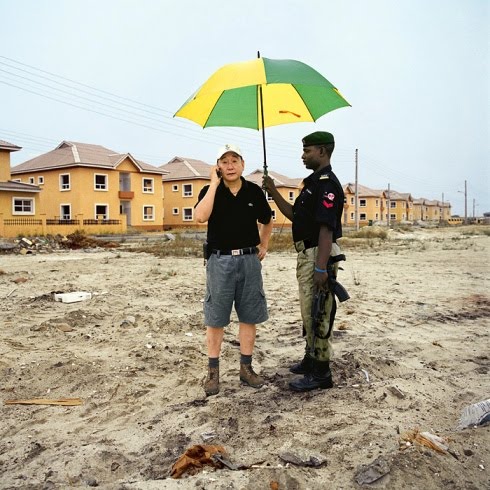
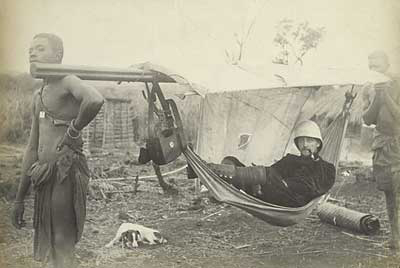
One photographer who has is Paolo Woods, and if his overlooked subject matter somehow has the ring of deja vu all over again, it’s because the faces and lives pictured within his work still bear the centuries old scars that are being revisited today. Of course, the pictures back in the19th century were in B&W and considerably blurrier, but the look of the oppressed shine through in any medium, regardless of the century.

Absent today is the blatant genocide and overt military presence that subdued native populations and signaled Europe’s imperialism- local militia and the foreign capital their leaders have been infused with now perform their “sponsor’s” bidding. The West’s reputation may be in tatters in Africa with its history of colonialism, post colonial assassinations (eg- Patrice Lamumba), and failed foreign aid and economic policies. But Serge Michel reports all is not well in the new power marriage between China and Africa, despite all the building and glad handing (and I sure wouldn’t want to live downhill of one of the hastily built dams they’re constructing there).

Then, of course, there are the photographs themselves. The look of subservience, mistrust and isolation is blatantly apparent in so many of the indigenous faces, just as they were a hundred years ago. The body language, posture and physical proximity are also eerily resonant of the classic photos of the Segregationist South or Apartheid South Africa. And although native and foreigner often work side by side, rarely do they do so together-and certainly not as equals. The only time you do witness interaction between equals is when you see the African leaders, palms greased, laughing and “socializing” with their foreign benefactors- each full well realizing the photo op won’t last forever…

Stan Banos blogs regularly at Reciprocity Failure.

(photo: Paolo Woods)

5 Comments Leave a comment

  • 11/08/2009 04:02pm

    cay said:

    Reminds me of John McCain at the MLK remembrance rally with a person of color holding an umbrella over him. Sigh.

    Reply to this comment

  • 11/09/2009 05:15am

    John Edwin Mason said:

    Stan, thanks for reminding us that it’s primarily about power and greed and secondarily about race, now and 100 years ago.
    BTW, Chinese Prime Minister Wen Jiabao was in Egypt over the weekend, promising African nations $10 billion in loans:
    http://www.reuters.com/article/latestCrisis/idUSL8250431

    Reply to this comment

  • 11/09/2009 07:30am

    KingElvis said:

    “A lot less blurry.” ierierieir.

    Reply to this comment

  • 11/09/2009 09:58am

    Mountainviewer said:

    Captions and identifying info help, no?
    I found the relevant blurb on the second photo through one of the links: “Mr. Wood was born in Shanghai in 1948 and arrived in Nigeria at the end of the 70’s were he started an industrial empire that includes today about 15 factories with more then 1600 workers, construction companies, hotels and restaurants. He is an official adviser to the president and has obtained the title of African chief and the authorization to use police cars as his own which helps in the monstrous Lagos traffic jams. He uses as well the police as private bodyguards, like here on the construction site of 544 villas built at record speed on the Lekki peninsula near the headquarters of the Chevron oil company.”
    What’s the context for the first image?
    I realize it’s tempting to insist that contexts don’t particularly matter here, that you can tell all you need to know from the surface. But it’s useful to me to know that the armed, uniformed man in #2 is a member of the police as opposed to a private body guard or member of the armed forces. And that it’s Lagos not Port Harcourt (or Johannesburg or Accra or…).
    Note that the homes in the background of #1 might have been lived in by the porters or someone they knew. The homes in #2 are certainly not for the police. Note too the relative cleanliness of the ground in #1 and the trash on the beach in #2. Also the inversion in the clothing ratio. And wonder what difference the gun in #2 makes.

    Reply to this comment

  • 11/09/2009 07:20pm

    Stan B. said:

    My apologies for having lost the accompanying caption and/or link for the black and white photo. I do however supply eight (8) supporting links on a variety of directly related topics that the reader is welcomed to examine, explore and expand upon, as you yourself have seemed fit to do- as would any responsible, interested reader. I applaud your initiative and hope others will follow suit- it is, afterall, how we are best informed and educated.

    Reply to this comment

Leave a Comment Please be nice.

Look of Oppressed: About the Same, Except a Lot Less BlurrierPhoto for your reference
Click to zoom

Basic HTML is allowed.